For Long Rooms Living Room Layout Ideas for Better Flow
Stacy and Home brings practical ideas for arranging a long living room without making it feel narrow or crowded. Long rooms can be tricky because furniture may look too spread out or leave awkward empty areas.
The right layout can make the room feel balanced, comfortable, and easier to use. With smart furniture placement, rugs, lighting, and defined zones, even a narrow living room can feel welcoming and stylish.
1. Divide the Long Room Into Functional Zones
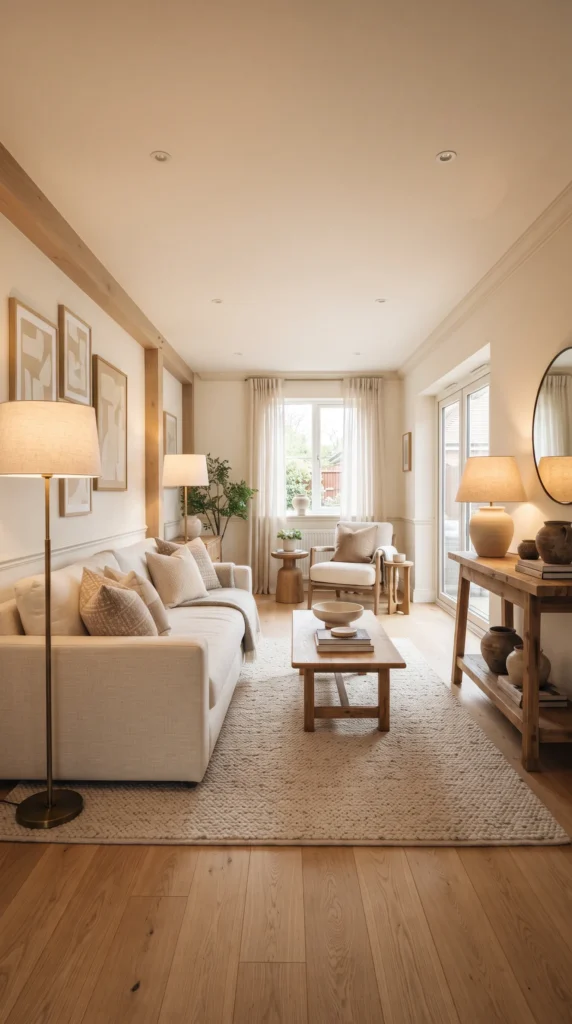
One of the best ways to decorate a long living room is to give different parts of the room a clear purpose. Instead of pushing every piece of furniture against the walls, create smaller zones that work together.
Create a Main Conversation Area
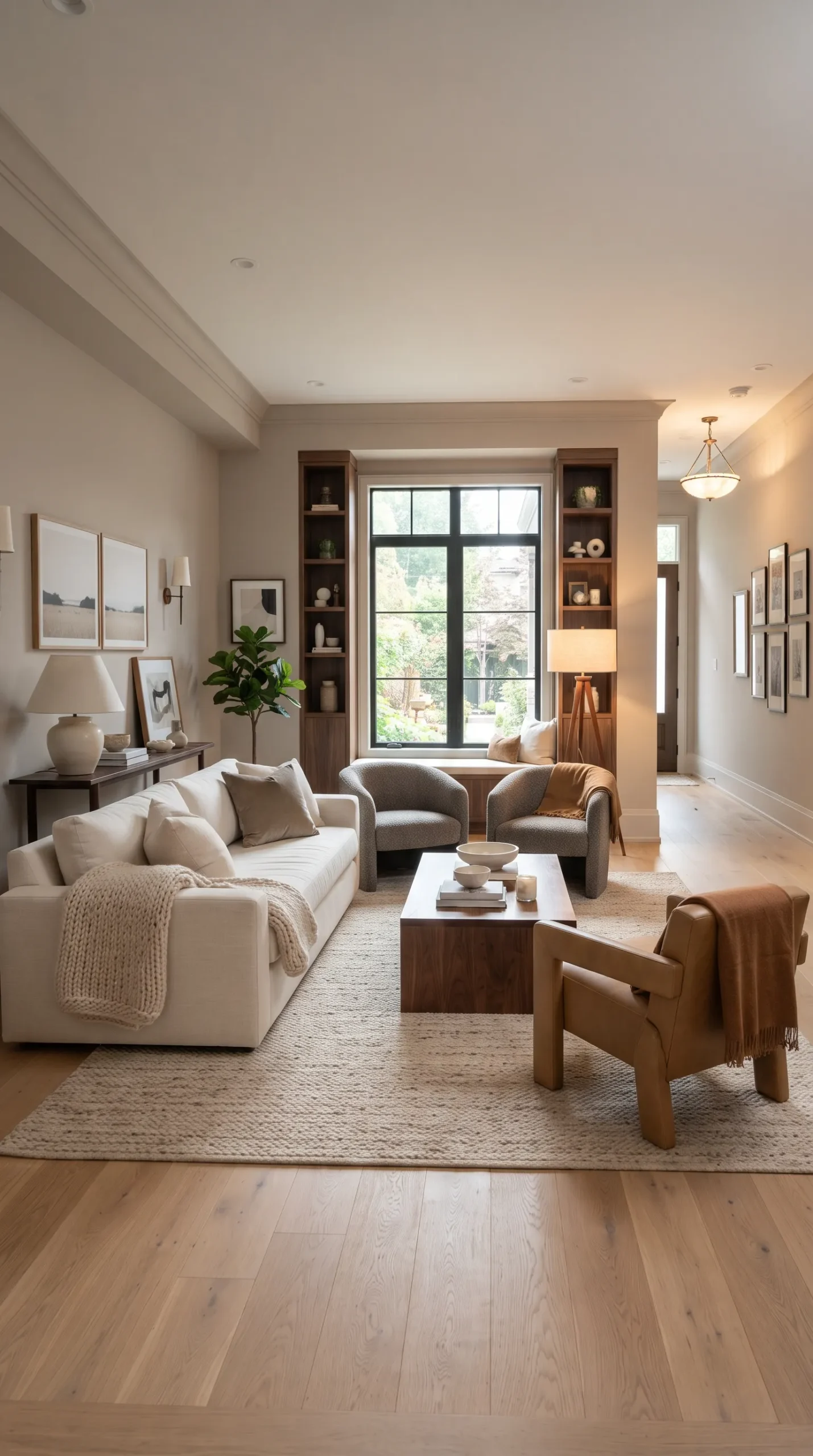
Place a sofa and two chairs around a coffee table in one section of the room. Keep the seating close enough for easy conversation.
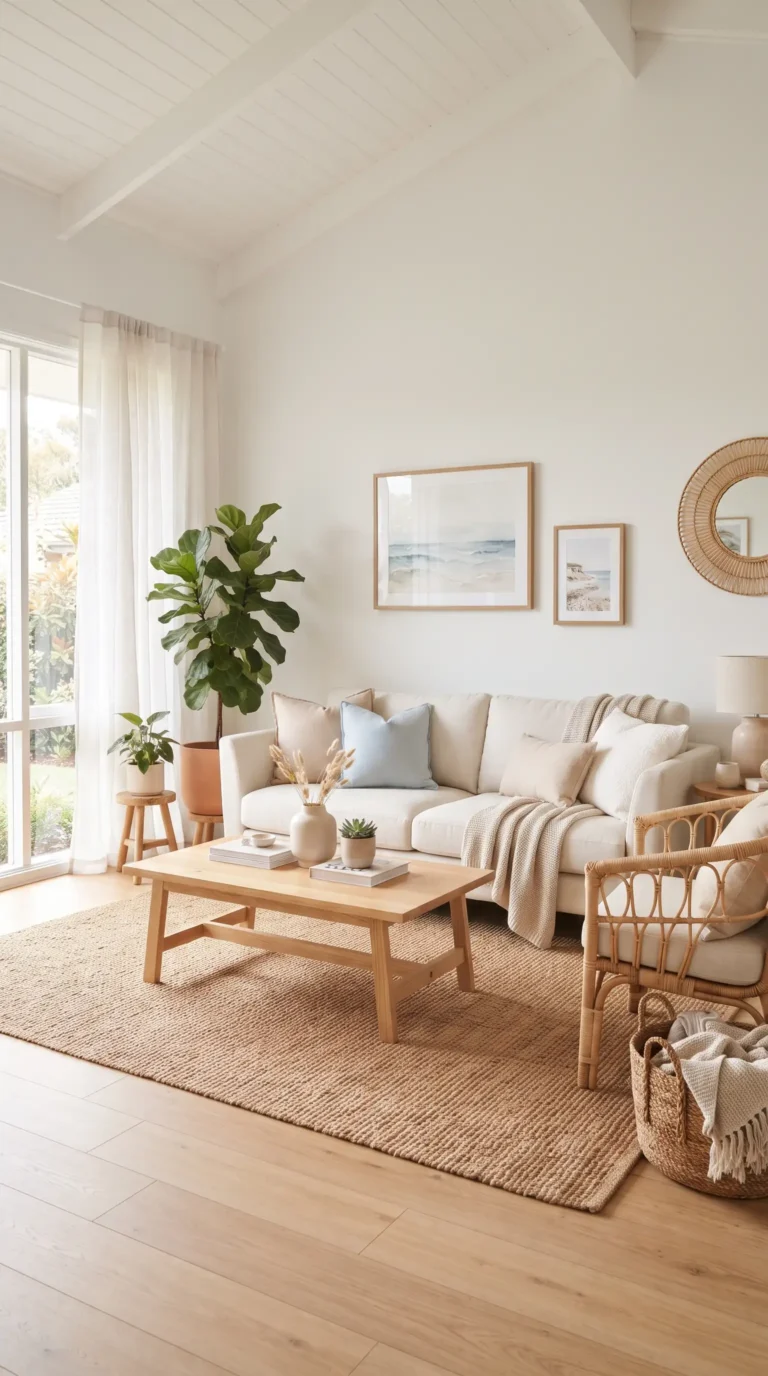
A large area rug can help define this main seating area. Make sure at least the front legs of the furniture sit on the rug to create a connected look.
Add a Small Reading Corner
If you have extra space at one end of the room, turn it into a quiet reading area. Add an armchair, small side table, and floor lamp.
This gives the long room another useful purpose without filling it with unnecessary furniture.
Create a Compact Work Area
A narrow desk can work well at the far end of a long living room. Choose a simple desk and comfortable chair that match the rest of the décor.
Keep this area visually light so it does not make the room feel crowded.
2. Arrange Furniture Across the Width of the Room
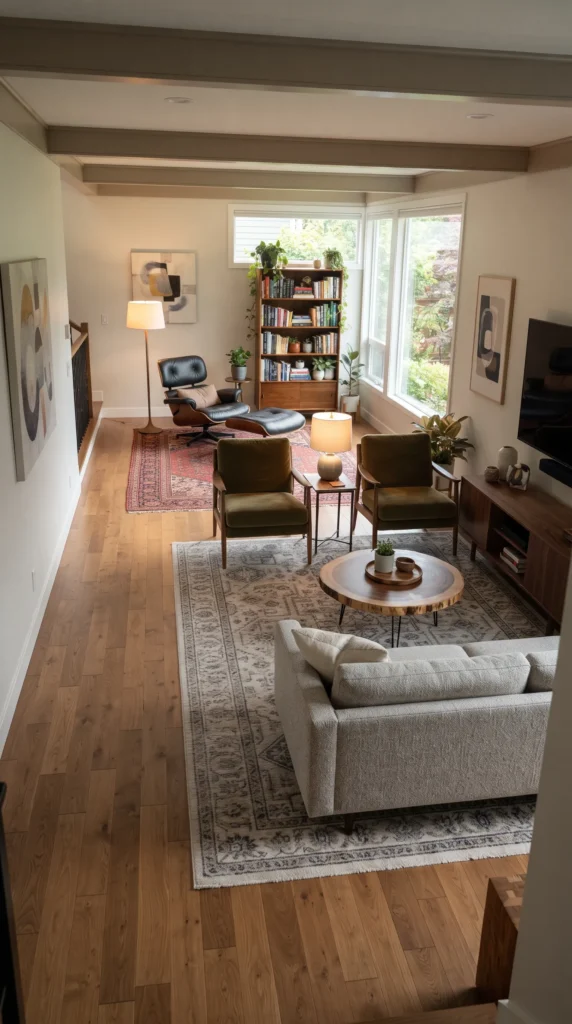
Furniture placement can make a major difference in a long, narrow living room. Try arranging some pieces across the width instead of lining everything along the longest wall.
Place the Sofa Away From the Wall
A sofa does not always need to sit directly against the wall. Pulling it slightly into the room can create a stronger seating zone.
This approach also leaves room behind the sofa for a slim console table or walking path.
Use Chairs to Balance the Sofa
Place one or two chairs opposite or beside the sofa. This creates a more complete conversation area and prevents the furniture from looking like one long row.
Choose chairs with open legs or slim frames when the room is narrow.
Keep Clear Walking Paths
A good long-room layout should allow people to move naturally from one side of the room to another. Avoid placing large furniture directly in the main walkway.
Leave enough space between seating, tables, and doorways so the room feels open.
3. Use Rugs, Tables, and Furniture to Improve Flow
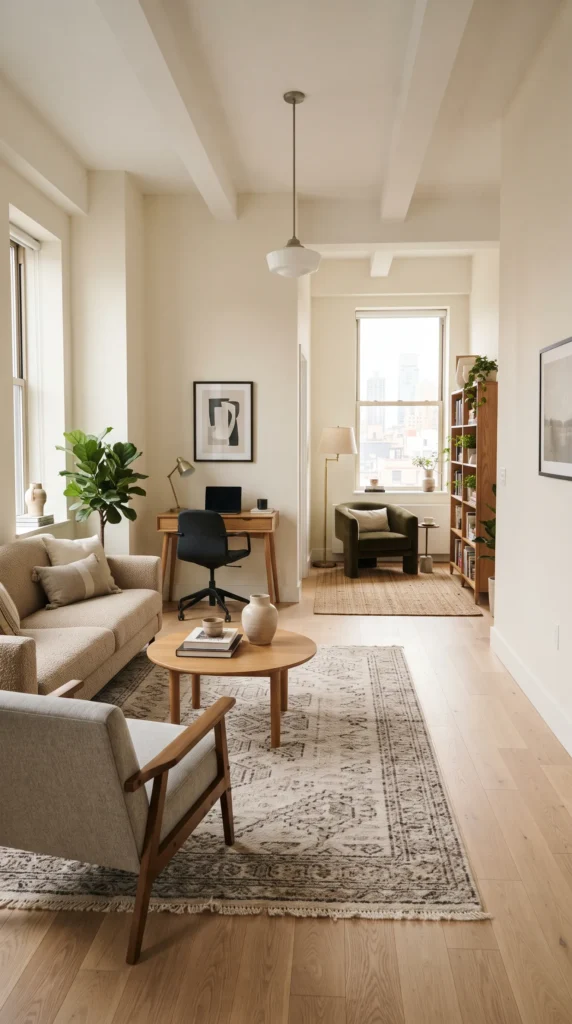
The right accessories can help organize a long room while making the furniture arrangement feel intentional.
Choose an Area Rug for the Main Zone
A large rectangular rug can visually anchor the main seating area. It helps connect the sofa, chairs, coffee table, and other furniture.
For a very long room, you can use more than one rug if the spaces have different purposes. Choose designs that coordinate rather than compete.
Use Coffee Tables to Connect Seating
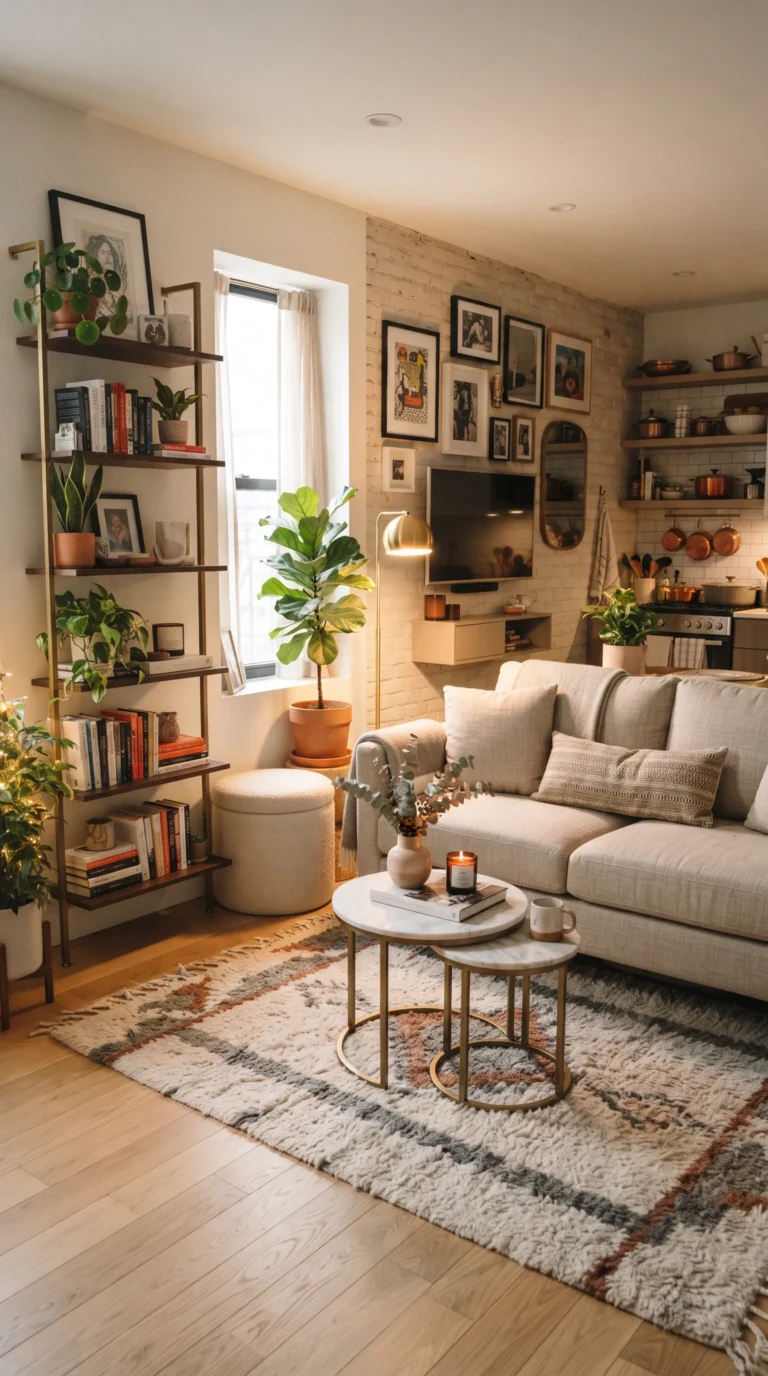
A coffee table gives the seating arrangement a clear center. Choose a size that leaves comfortable walking space around it.
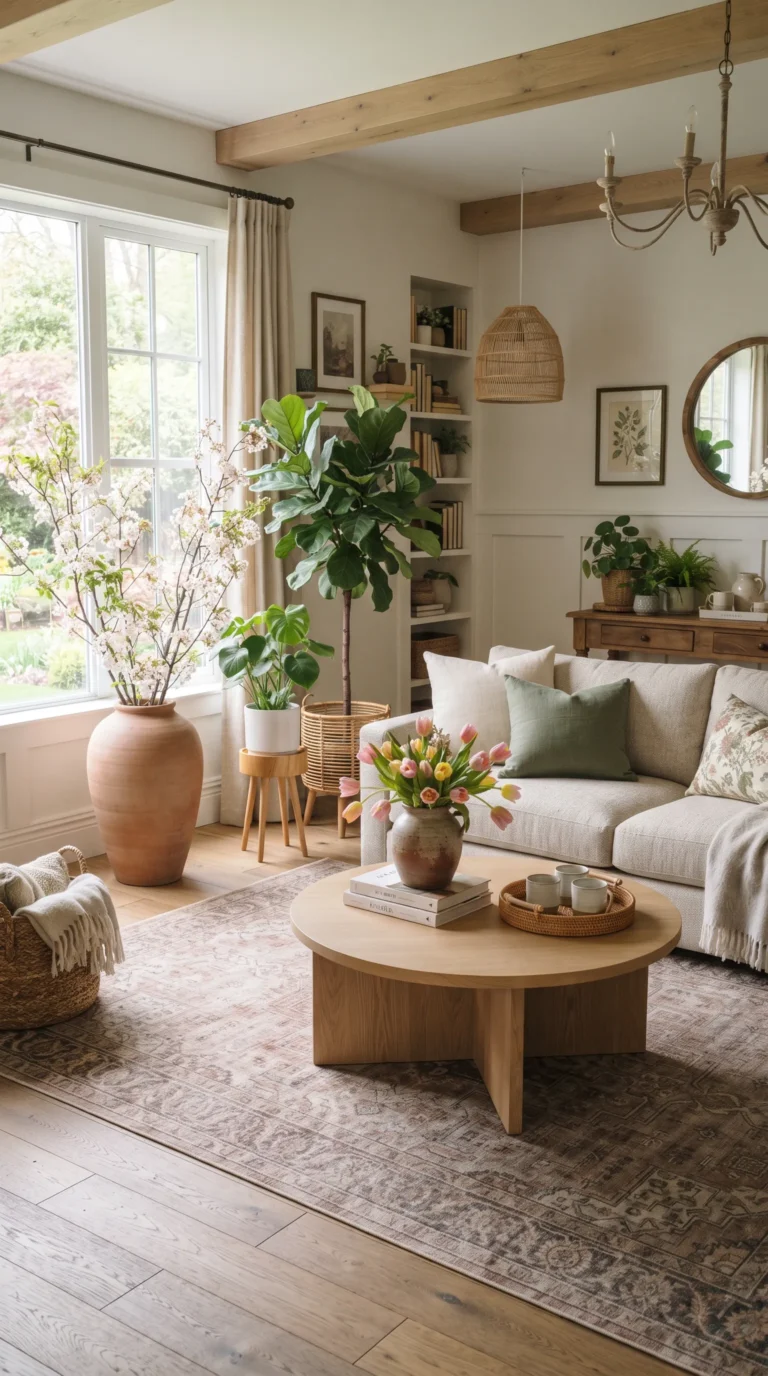
Round or oval tables can be useful in tighter layouts because they soften the straight lines of a long room.
Add a Narrow Console Table
A slim console table can fill an empty wall without taking up too much floor space. Style it with a lamp, books, artwork, or a few decorative objects.
Avoid using oversized furniture simply to fill an empty section.
4. Create Balance With Lighting, Color, and Décor
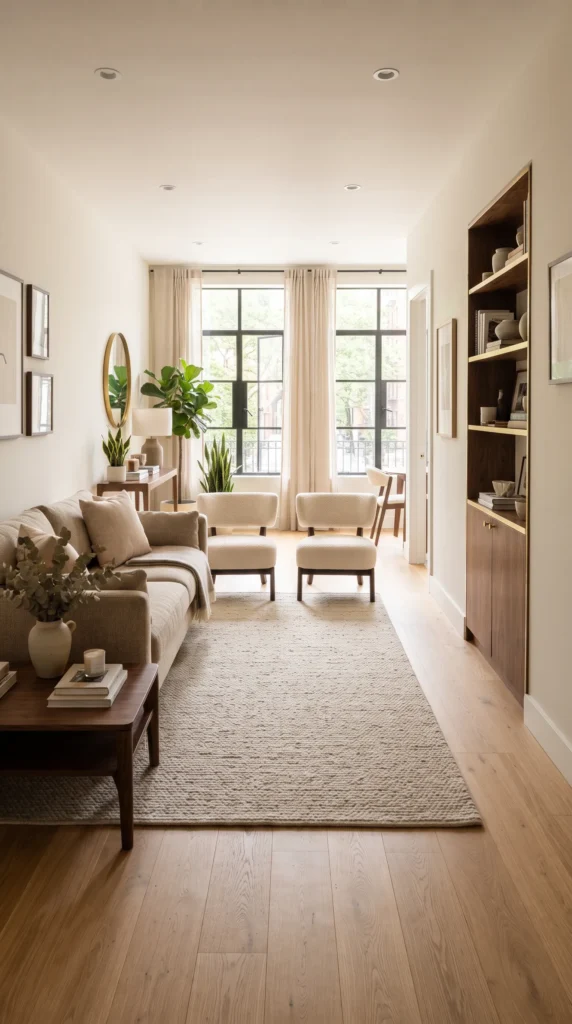
Long rooms can sometimes feel visually heavy on one side. Lighting and décor can help distribute attention more evenly.
Use Lighting at Different Points
Do not depend on one ceiling light in a long living room. Use floor lamps, table lamps, wall lights, or pendant lighting to brighten different zones.
Multiple light sources make the room feel warmer and help each area feel useful.
Repeat Colors Throughout the Room
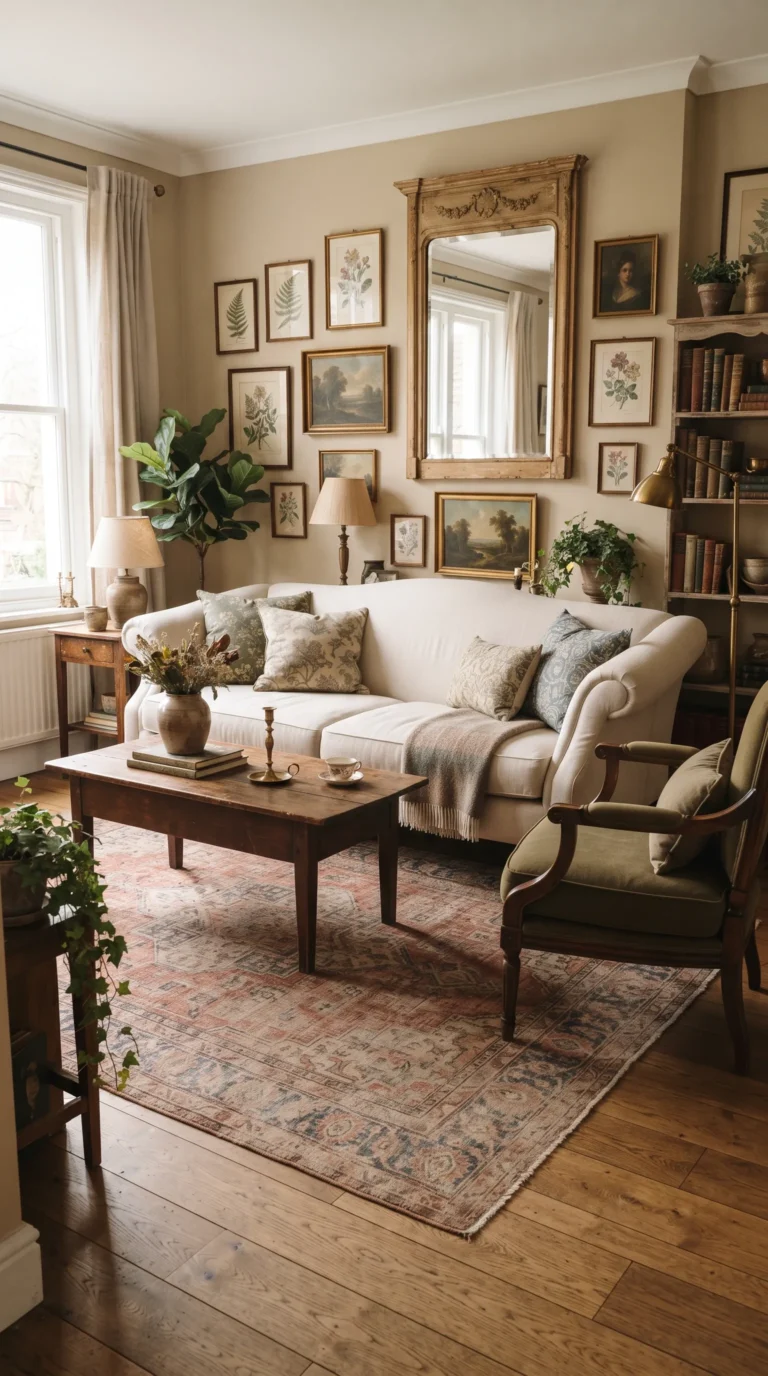
Use a simple color palette across the entire space. For example, combine a neutral sofa with warm wood, soft beige textiles, and a few darker accents.
Repeating the same colors in cushions, artwork, curtains, and rugs helps separate zones while keeping the room connected.
Balance Large and Small Pieces
Avoid putting all the large furniture on one side of the room. Spread visual weight throughout the space.
A large sofa can be balanced with a pair of chairs, a substantial rug, or a console on the opposite side.
5. Try Different Long Living Room Layout Ideas
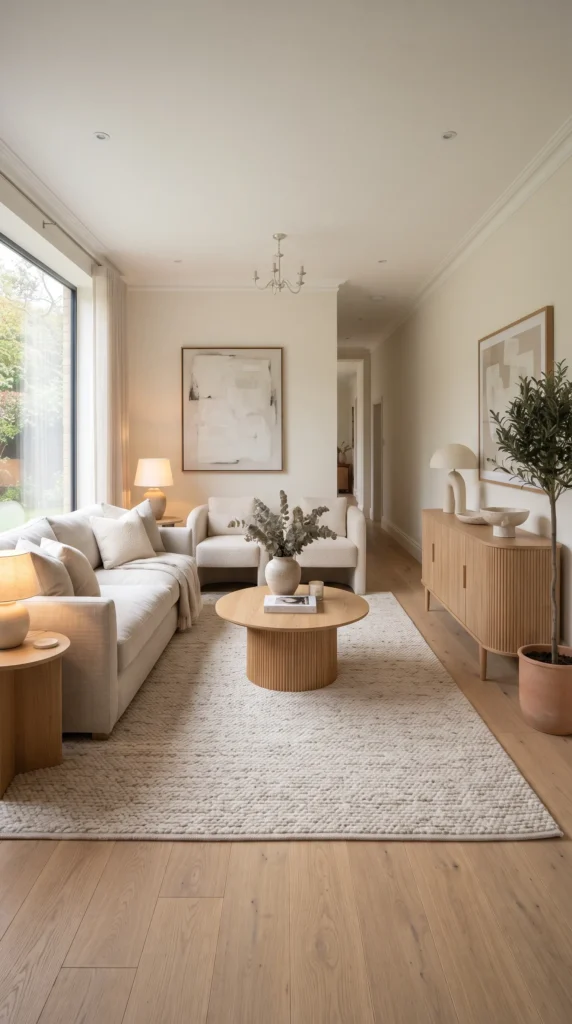
There is no single perfect layout for every long room. The best option depends on the room’s width, windows, doors, and how you use the space.
Try a Central Conversation Layout
Place the main sofa along one side with chairs opposite it. Add a coffee table in the center and keep clear space around the seating.
This is a simple choice for families who want the living room to feel social and comfortable.
Try a Two-Zone Layout
For a very long room, divide the space into two connected areas. One side can hold the main sofa and television, while the other can include reading chairs, a small table, or a game area.
Use rugs and lighting to visually separate the zones.
Try a Sofa-and-Chair Layout
Place the sofa along the long wall and position two chairs across from it. Add a coffee table between them.
This layout works well when you want an open center and easy conversation between guests.
Try a Floating Furniture Layout
Instead of placing everything against the walls, float the sofa and chairs in the room. This can make a long space feel more balanced and thoughtfully designed.
Use the back of the sofa to separate the main seating area from another zone.
6. Keep the Long Living Room Practical
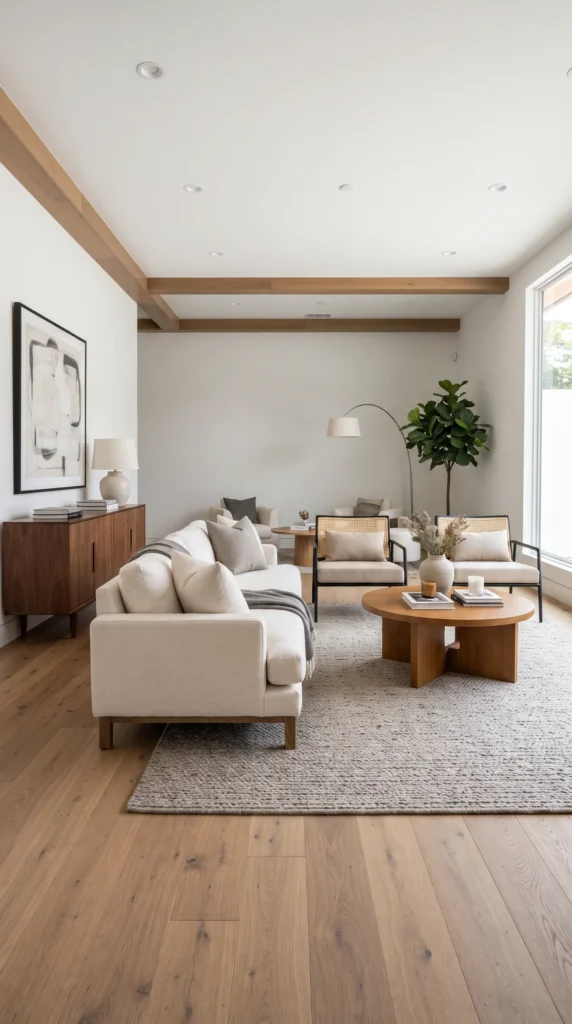
A beautiful layout should also be easy to live with. Think about how people enter the room, where they walk, and how the furniture will be used every day.
Avoid Blocking Windows and Doors
Keep major pathways, windows, and doors clear whenever possible. Furniture should not make entrances difficult to use.
This is especially important in narrow rooms where every few inches can affect the flow.
Choose Furniture That Fits the Scale
Measure the room before buying large furniture. A huge sectional may overwhelm a narrow living room, while very small pieces can make a large room feel unfinished.
Use furniture that fits the room’s width and leaves enough open floor space.
Keep the Center From Feeling Crowded
You do not need to fill every empty area. Open floor space can actually make a long room feel larger.
Choose a few useful pieces and arrange them with purpose instead of adding furniture simply because there is space.
Frequently Asked Questions
What is the best layout for a long living room?
A zoned layout is often a good choice. Create one main conversation area and use the remaining space for reading, dining, work, or another activity.
Should a sofa go against the long wall?
It can, but it does not always have to. Floating the sofa slightly away from the wall can create better zones and improve movement through the room.
How do you make a long living room feel less narrow?
Use furniture across the width, define areas with rugs, keep walking paths open, and avoid placing every piece along the longest wall.
Can you put two rugs in a long living room?
Yes. Two coordinated rugs can help separate different functional areas. Keep their colors and styles connected so the room still feels cohesive.
What furniture should you avoid in a narrow living room?
Avoid oversized pieces that block pathways or dominate the room. Bulky furniture can make the space feel tighter than it really is.
Final Thoughts
Long living rooms can be challenging, but they also offer plenty of design possibilities. The key is to think about flow instead of simply trying to fill the available space.
Use furniture to create clear zones, rugs to anchor each area, and lighting to spread visual interest throughout the room. With the right arrangement, a long living room can feel comfortable, balanced, and easy to enjoy.