Painted Kitchen Island Ideas for Style and Function
Painted Kitchen Island Ideas for Style and Function
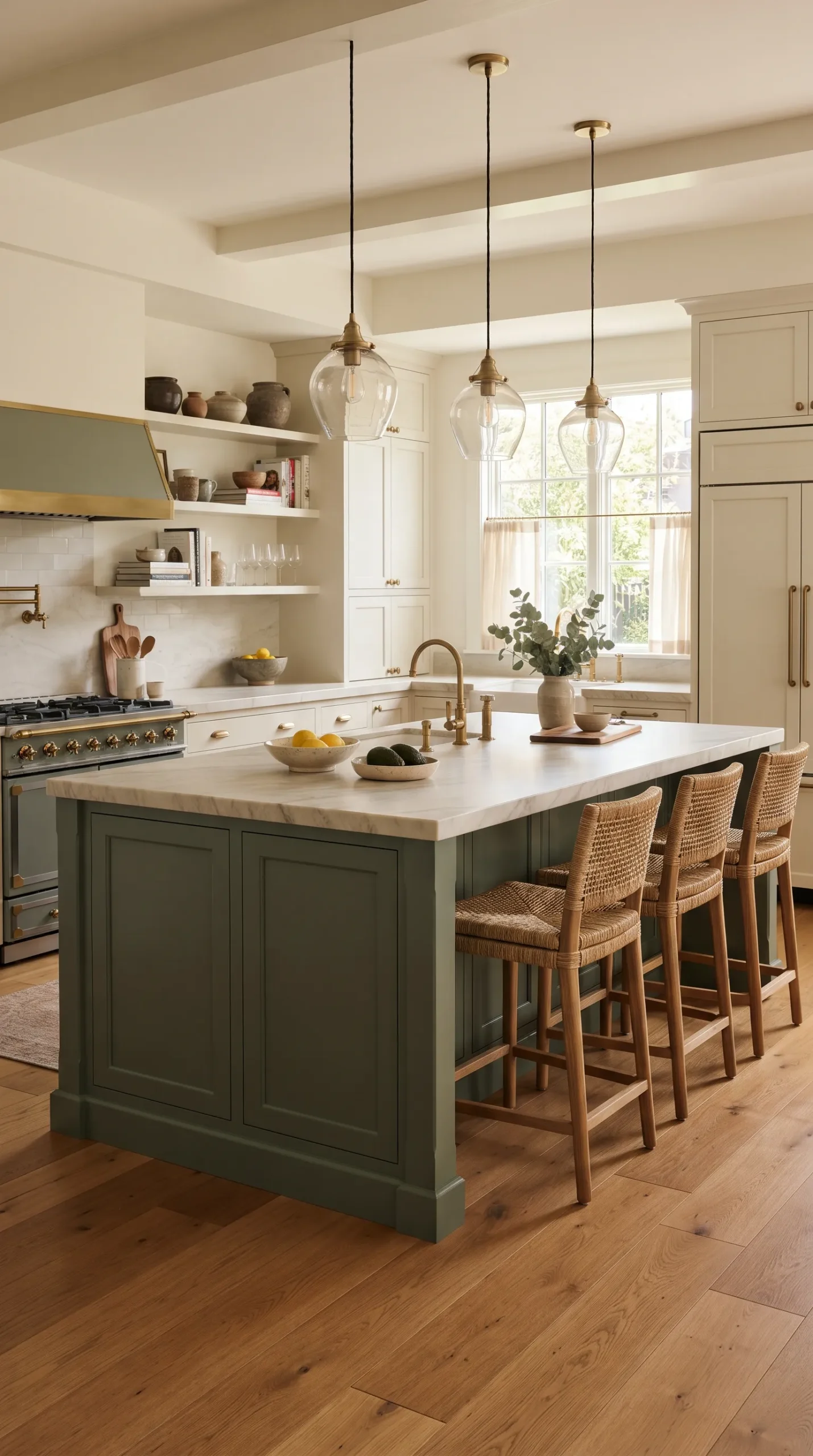
Stacy and Home shares these painted island kitchen ideas to help you make your kitchen island a beautiful focal point while keeping it useful. A painted island can add contrast, personality, and warmth while giving your kitchen a more finished appearance.
From soft neutrals to deep blues and natural greens, the right paint color can completely change the look of your island. With the right stools, lighting, hardware, and countertop décor, your island can become the stylish center of the kitchen.
Choose the Right Paint Color for Your Kitchen Island
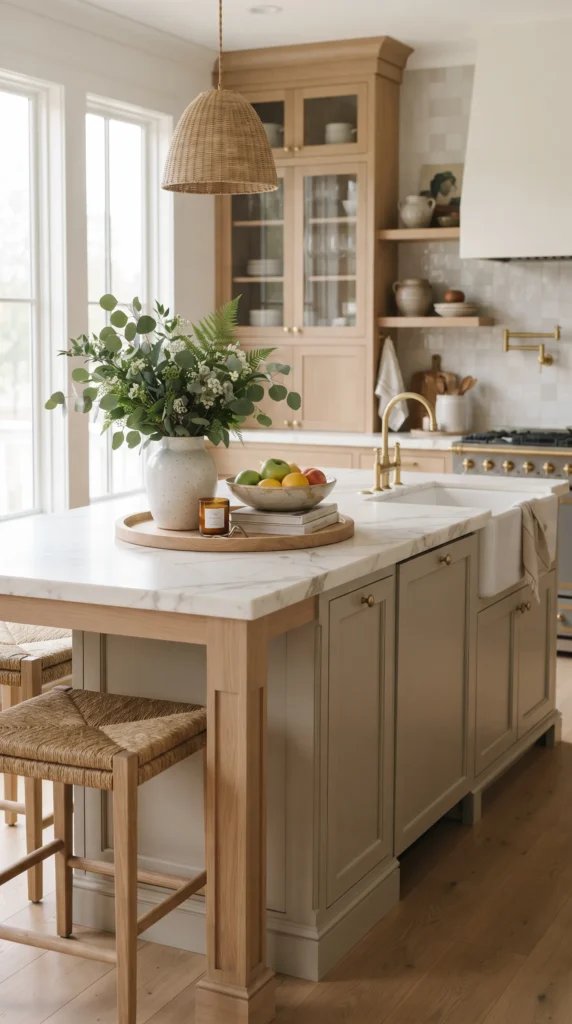
The paint color you choose can change how your kitchen feels. Consider your cabinets, countertops, flooring, and natural light before choosing a shade.
Try a Soft Neutral Island
Cream, warm white, beige, and light gray can create a soft and timeless island. These colors work especially well in kitchens with natural wood or light cabinets.
A neutral island also gives you more freedom to change accessories and seasonal décor later.
Add Contrast With a Dark Color
Navy blue, charcoal, deep green, and other dark shades can make the island stand out. A darker island works especially well when the surrounding cabinets are white or light.
Use warm lighting and lighter countertops to keep the kitchen from feeling too heavy.
Choose a Nature-Inspired Shade
Sage green, olive, muted blue, and other earthy colors can bring a natural feeling into the kitchen. These shades work beautifully with wood, stone, and woven materials.
They are also a great choice if you want color without creating an overly bold look.
Make the Painted Island a Kitchen Focal Point
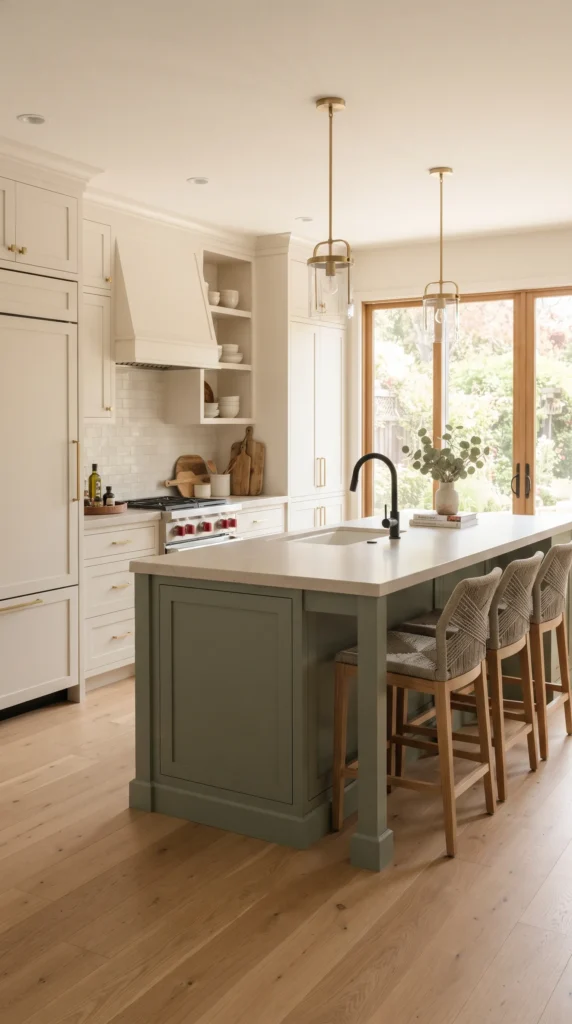
A painted island can become the main visual feature of your kitchen. The goal is to create enough contrast to make it noticeable while keeping it connected to the rest of the room.
Create Contrast With the Cabinets
If your cabinets are white or cream, a blue, green, or dark-painted island can create an attractive contrast. For darker cabinets, a lighter island can provide balance.
Choose colors that complement rather than compete with the surrounding finishes.
Coordinate the Countertop
The countertop should work naturally with the painted base. Light stone countertops can brighten a dark island, while warm wood can soften cooler paint colors.
Repeating small tones from the countertop in your accessories can make the design feel more cohesive.
Use the Island as the Color Anchor
If you want the island to be the main source of color, keep other large surfaces relatively simple. This allows the painted cabinetry to stand out.
You can repeat the island color in small details such as artwork, stools, rugs, or kitchen accessories.
Style Painted Islands With Seating and Lighting
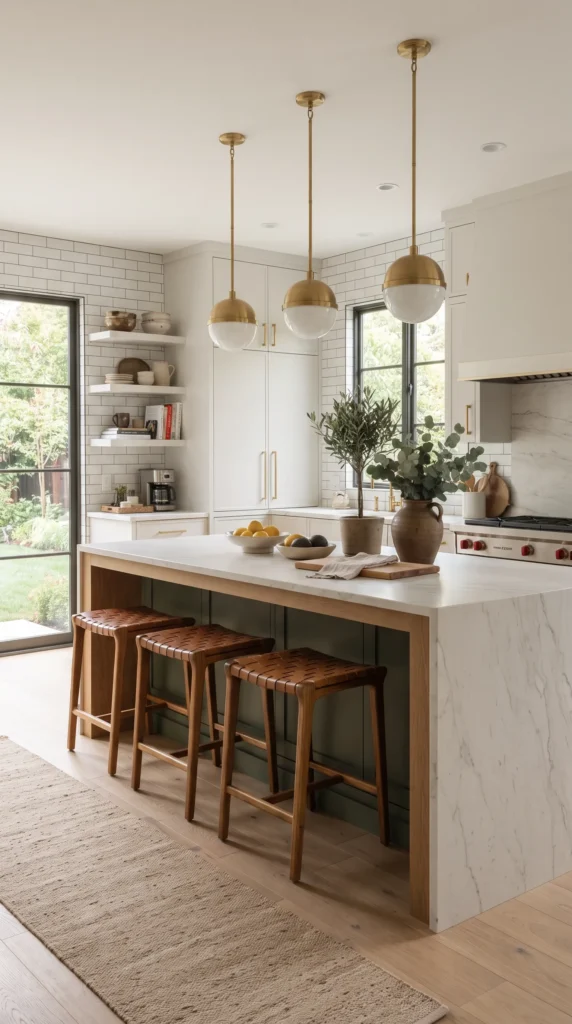
Seating and lighting can make a painted island more attractive while improving how you use the space. Choose pieces that support the island’s color and overall kitchen style.
Add Comfortable Counter Stools
Wooden stools can add warmth to a colorful island, while upholstered stools can create a softer appearance. Metal stools work well in modern and industrial kitchens.
Leave enough space between stools so everyone can sit comfortably.
Hang Pendant Lights Above the Island
Pendant lights can emphasize the island and make it feel like a true focal point. Choose fixtures that complement the paint color and other hardware.
For a simple kitchen, glass or metal pendants can add a clean finishing touch.
Keep the Lighting Warm
Warm lighting can make painted cabinetry look richer and more inviting. This is especially helpful with darker shades such as navy, charcoal, and green.
Use layered lighting so the island remains useful for cooking, dining, and everyday tasks.
Add Décor That Complements the Painted Island
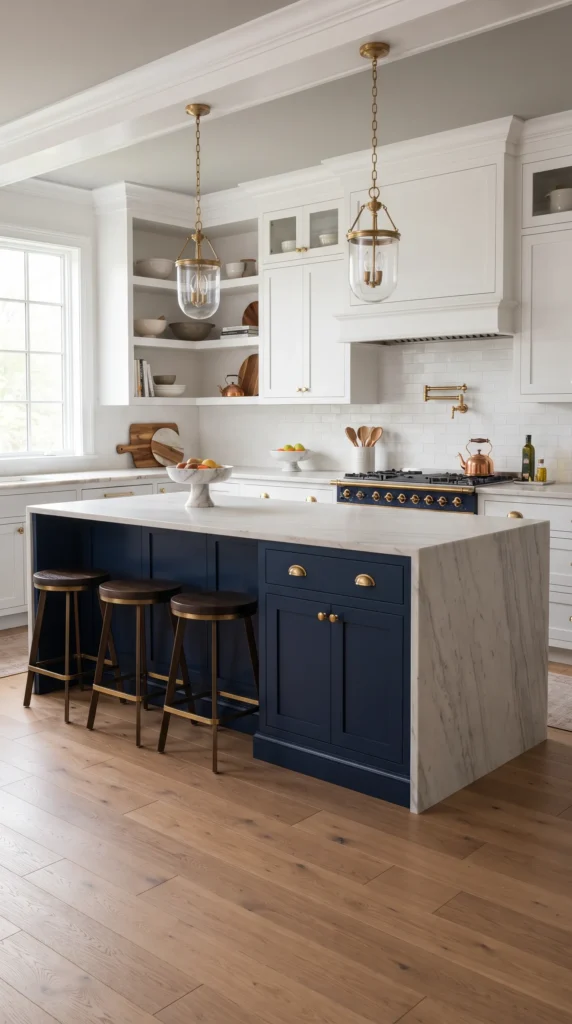
A painted island does not need lots of decoration. A few carefully selected accessories can add personality while keeping the countertop practical.
Use a Decorative Tray
A tray can group smaller items and make the countertop look organized. Add a vase, small bowl, candle, or other simple decorative pieces.
Choose a tray material that works with the kitchen, such as wood, stone, or metal.
Add Greenery and Natural Details
A small plant, fresh herbs, or a vase of greenery can bring life to the island. Natural elements also work well with painted cabinetry.
For a more polished appearance, choose one simple arrangement rather than filling the countertop.
Keep Countertop Décor Simple
The island should remain easy to use. Avoid covering the entire surface with decorative objects.
Leave enough open space for preparing food, serving meals, or gathering with family and guests.
Explore Different Painted Islands Kitchen Inspiration
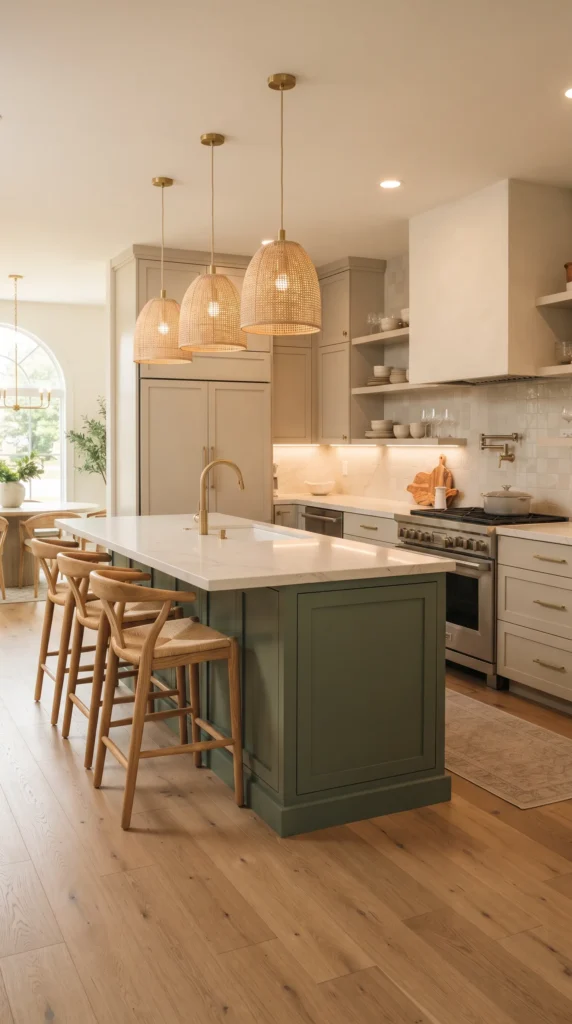
There are many ways to use paint on a kitchen island. Think about your home’s style and how dramatic you want the change to be.
Try a Two-Tone Kitchen
Keep the main cabinets in one color and paint the island in another. This creates visual separation without requiring a complete kitchen makeover.
For example, white cabinets paired with a muted green or navy island can create a balanced contrast.
Use a Classic Blue Island
Blue is a versatile choice for painted islands. Soft blue creates a relaxed feeling, while navy can give the kitchen a more dramatic appearance.
Pair blue with white, cream, brass, wood, or light stone for a timeless combination.
Choose a Green Island
Green-painted islands can bring an organic feeling to the kitchen. Sage and olive shades work especially well with natural wood and warm neutral colors.
Add greenery and earthy accessories to strengthen the natural theme.
Make a Bold Statement
If you enjoy stronger design choices, consider a deep charcoal, rich teal, or another distinctive shade. A bold island can become the centerpiece of an otherwise neutral kitchen.
Keep surrounding décor simple, so the island remains the main attraction.
Keep Your Painted Kitchen Island Stylish and Functional
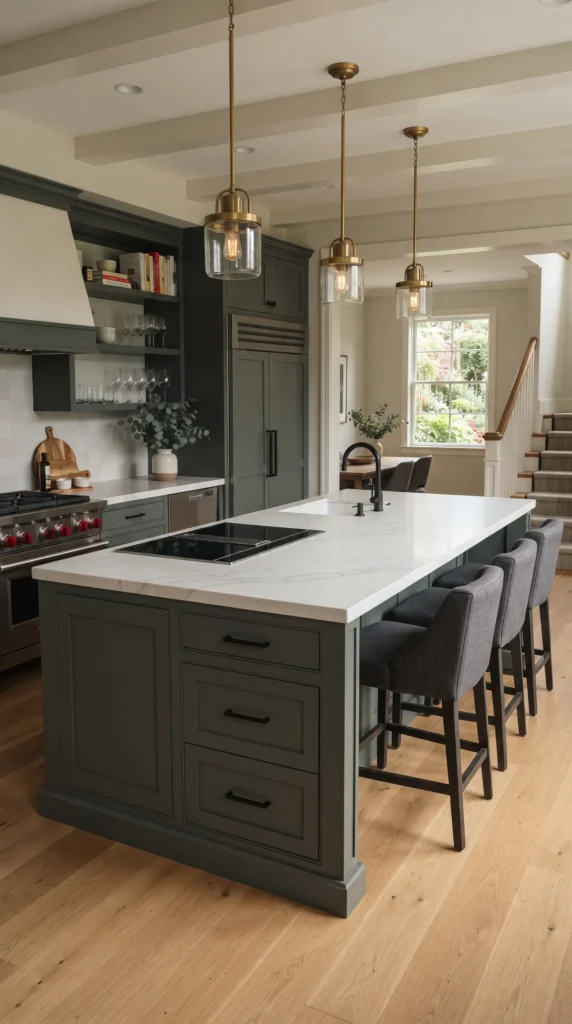
A beautiful island should also work well for everyday life. Choose durable finishes, practical accessories, and a layout that supports how you use your kitchen.
Protect the Painted Surface
Kitchen islands are frequently touched, so choose a durable paint designed for cabinetry. Clean spills quickly and avoid harsh cleaning products that may damage the finish.
Using cutting boards and serving trays can also help protect the painted surface.
Coordinate Hardware With the Island
Cabinet handles and knobs can add another layer of style. Brass, black, bronze, and brushed metal can all work with painted cabinetry.
Choose a finish that also appears elsewhere in the kitchen for a more connected design.
Keep the Island Easy to Use
Do not sacrifice function for decoration. Make sure drawers, cabinets, seating, and work areas remain easy to access.
A well-designed painted island should look beautiful while supporting cooking, storage, dining, and everyday activities.
FAQs
What is the best color for a painted kitchen island?
There is no single best color. White, navy, sage green, gray, beige, and charcoal are popular choices. The best option depends on your cabinets, countertops, lighting, and overall kitchen style.
Should a kitchen island be a different color from the cabinets?
It does not have to be, but a different color can make the island stand out. Using a contrasting shade is an easy way to create a focal point.
What colors make a kitchen island look expensive?
Deep navy, muted green, charcoal, warm cream, and sophisticated neutral shades can create an upscale appearance when paired with quality hardware, lighting, and countertops.
Can I paint an existing kitchen island?
Yes. Painting an existing island can be an effective way to update the kitchen without replacing the cabinetry. Proper surface preparation and a durable cabinet paint are important.
What goes well with a green kitchen island?
Natural wood, cream, white, brass, black, and stone finishes can complement a green island. Soft greenery and earthy accessories can also strengthen the look.
Final Thoughts
A painted kitchen island can give your kitchen a fresh personality without requiring a complete renovation. The right color can create contrast, highlight your island, and make the entire room feel more intentional.
Start by considering your existing cabinets, countertop, flooring, and lighting. Then add practical seating, attractive pendants, simple countertop décor, and coordinating hardware.