Living Room Ideas With a Sectional That Make Every Inch Count
Stacy and Home shares these sectional living room ideas to help you make a small living room feel comfortable, organized, and stylish. A sectional can provide plenty of seating, but choosing the right layout, furniture size, lighting, and storage can make a big difference when floor space is limited.
1. Choose the Right Sectional for a Small Living Room
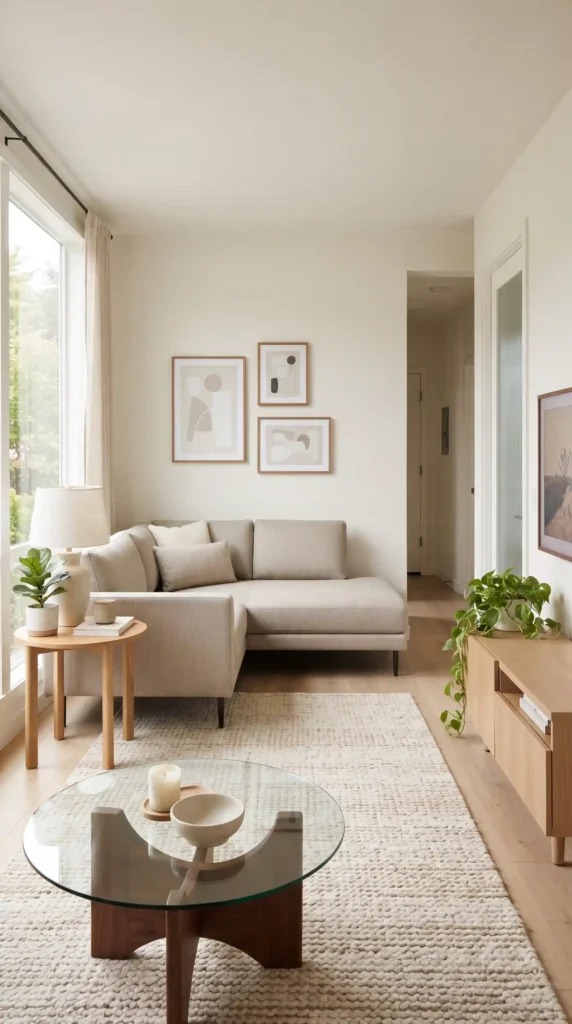
Pick a Compact Sectional
A compact sectional offers comfortable seating without taking over the room. Look for a design with a smaller footprint and clean lines that fit the available floor space.
Measure the room before buying so you can leave enough space for walking and other furniture.
Try a Low-Profile Sectional
A low-profile sectional can make a small living room feel more open. Lower seating creates more visible wall space and can help the room feel less visually heavy.
Choose a simple design with slim arms for an even lighter appearance.
Place the Sectional Against a Wall
Pushing the sectional against a wall can free up valuable floor space. This layout works especially well when the room is narrow or has limited seating options.
Leave enough space around doors, windows, and walkways to keep the arrangement practical.
2. Create a Smart Sectional Living Room Layout
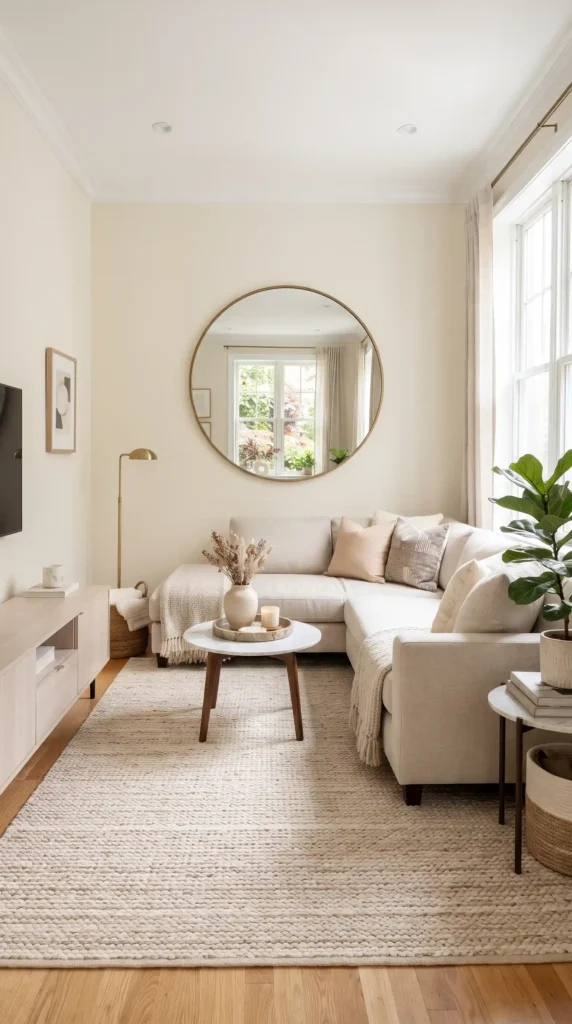
Use a Corner Sectional Layout
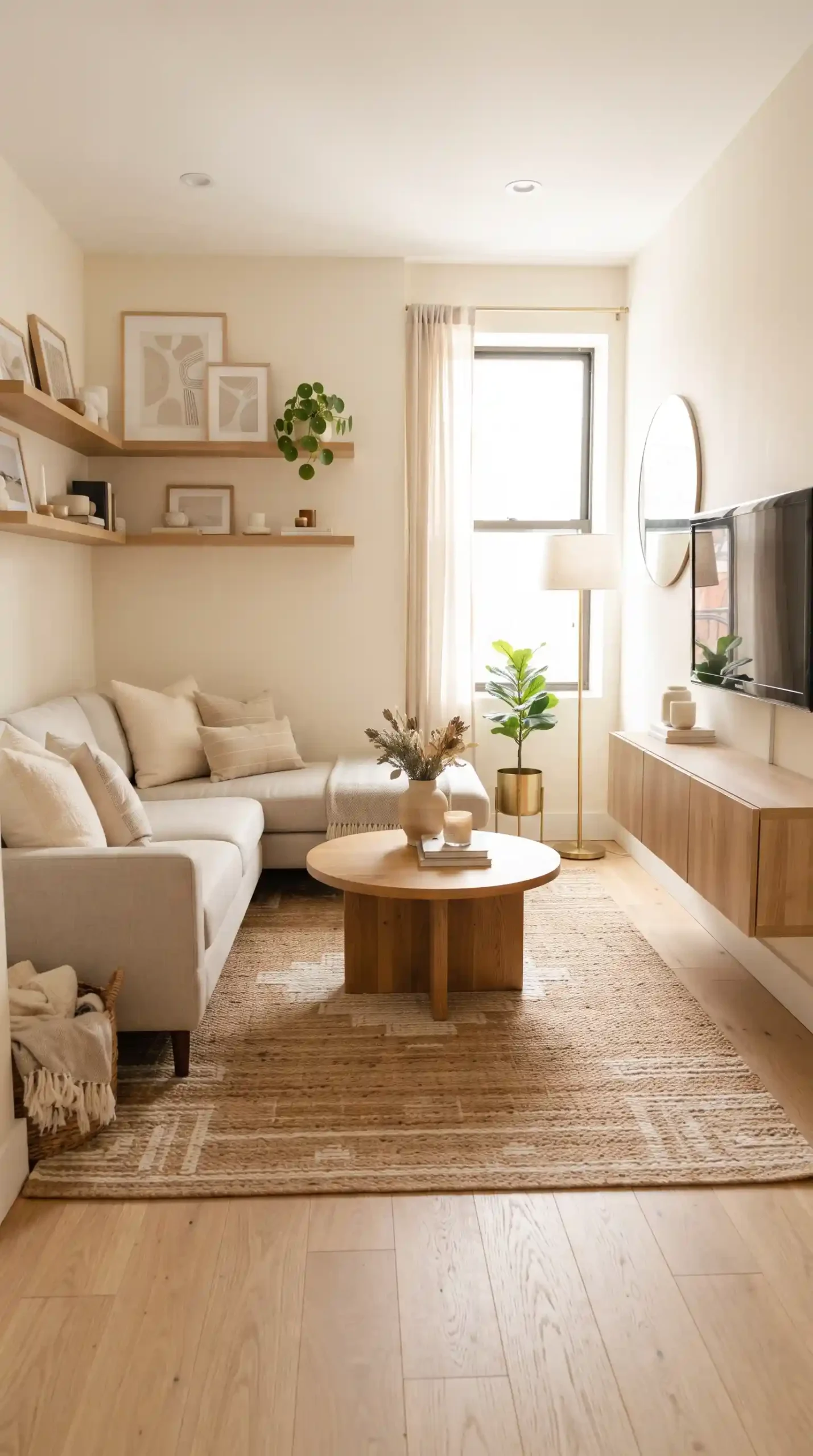
A corner sectional can make good use of an otherwise difficult corner. Place the longer side along one wall and the shorter section along the adjoining wall.
This creates a defined seating area while leaving the center of the room available for movement.
Float the Sectional in the Room
If the room allows it, floating the sectional slightly away from the wall can help define the living area. Place a slim console table behind it if there is enough space.
Keep the gap small in a compact room so you do not lose useful floor space.
Face the Sectional Toward the TV
Positioning the sectional toward the television can make the room easier to use for everyday relaxation. Keep the viewing angle comfortable and avoid placing the TV too high.
A wall-mounted TV can also free up floor space that would otherwise be used by a large media cabinet.
3. Make Every Inch Count With Practical Furniture
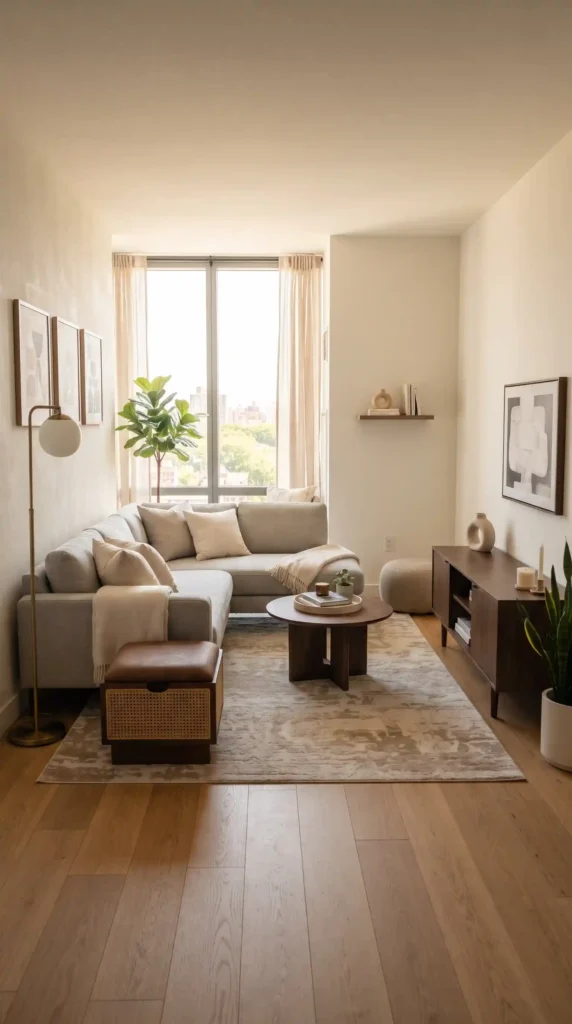
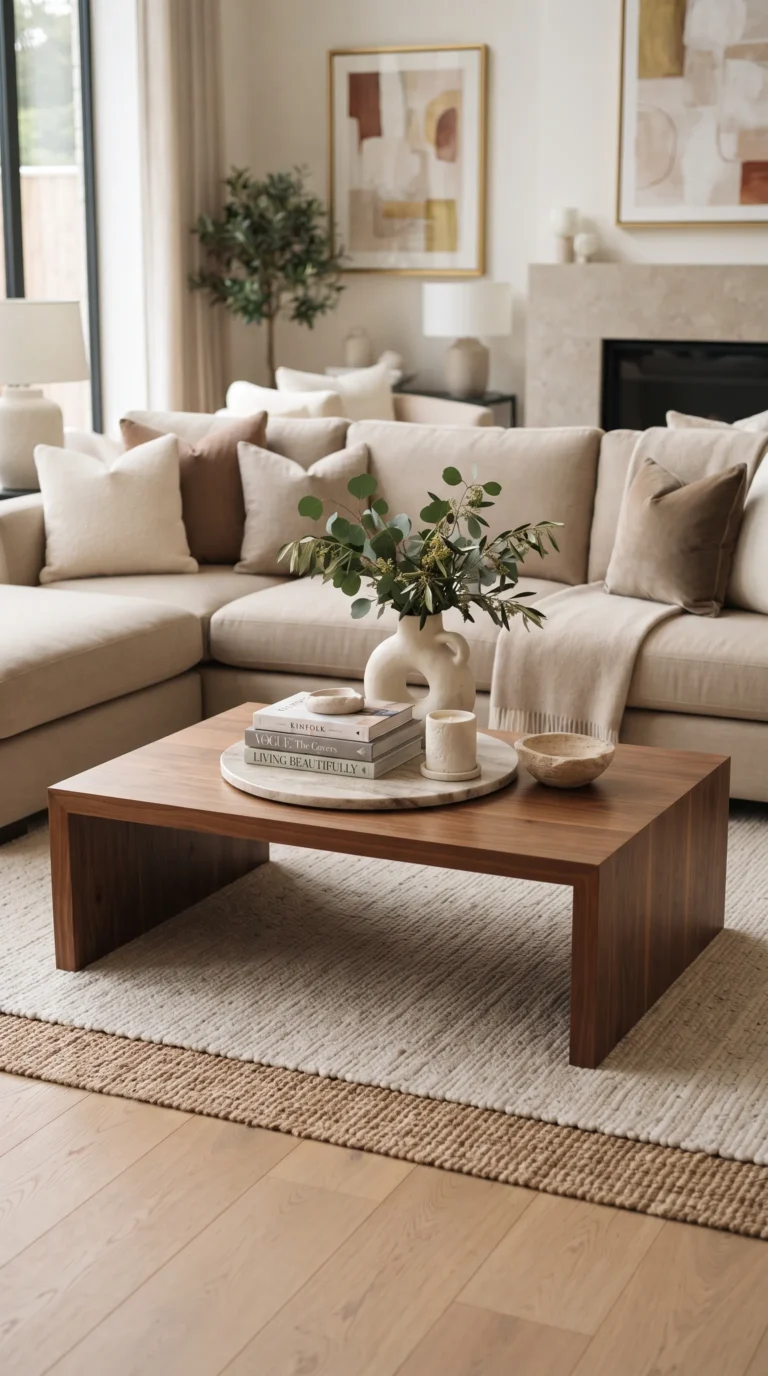
Choose a Small Coffee Table
A compact coffee table can provide useful surface space without blocking movement. Round or oval tables can work particularly well because they have fewer sharp corners.
Choose a table that leaves enough room for people to move comfortably around the sectional.
Use an Ottoman With Storage
An ottoman can provide extra seating, a footrest, and hidden storage in one piece. Choose a size that fits in front of the sectional without making the room feel crowded.
Use the storage for blankets, pillows, games, or other living room items.
Add Nesting Side Tables
Nesting tables give you flexible surface space without permanently taking up much room. Keep the smaller table tucked underneath when it is not needed.
This is useful in a small living room where every extra piece of furniture needs to serve a purpose.
4. Make a Small Sectional Living Room Feel Larger
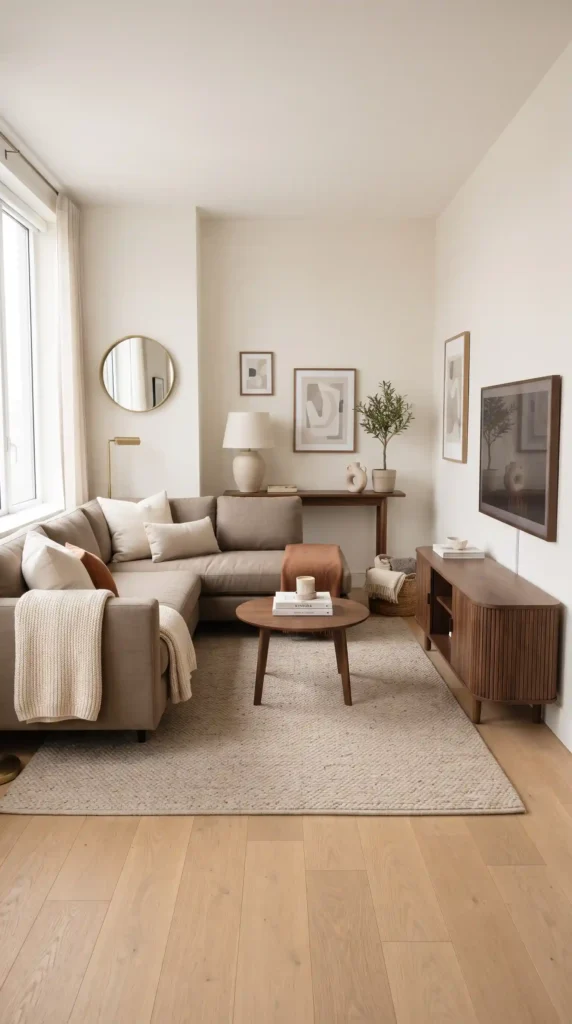
Use a Light and Neutral Color Palette
Light colors can make a compact living room feel brighter and more open. Cream, beige, soft gray, white, and warm neutral shades work well with many sectional styles.
Add darker colors through small pillows, artwork, or accessories instead of using them across every large surface.
Add a Large Area Rug
A properly sized area rug can visually connect the sectional, coffee table, and other furniture. Choose a rug large enough for at least the front legs of the sectional to sit on it.
A cohesive rug can make the seating area feel more intentional instead of visually separated.
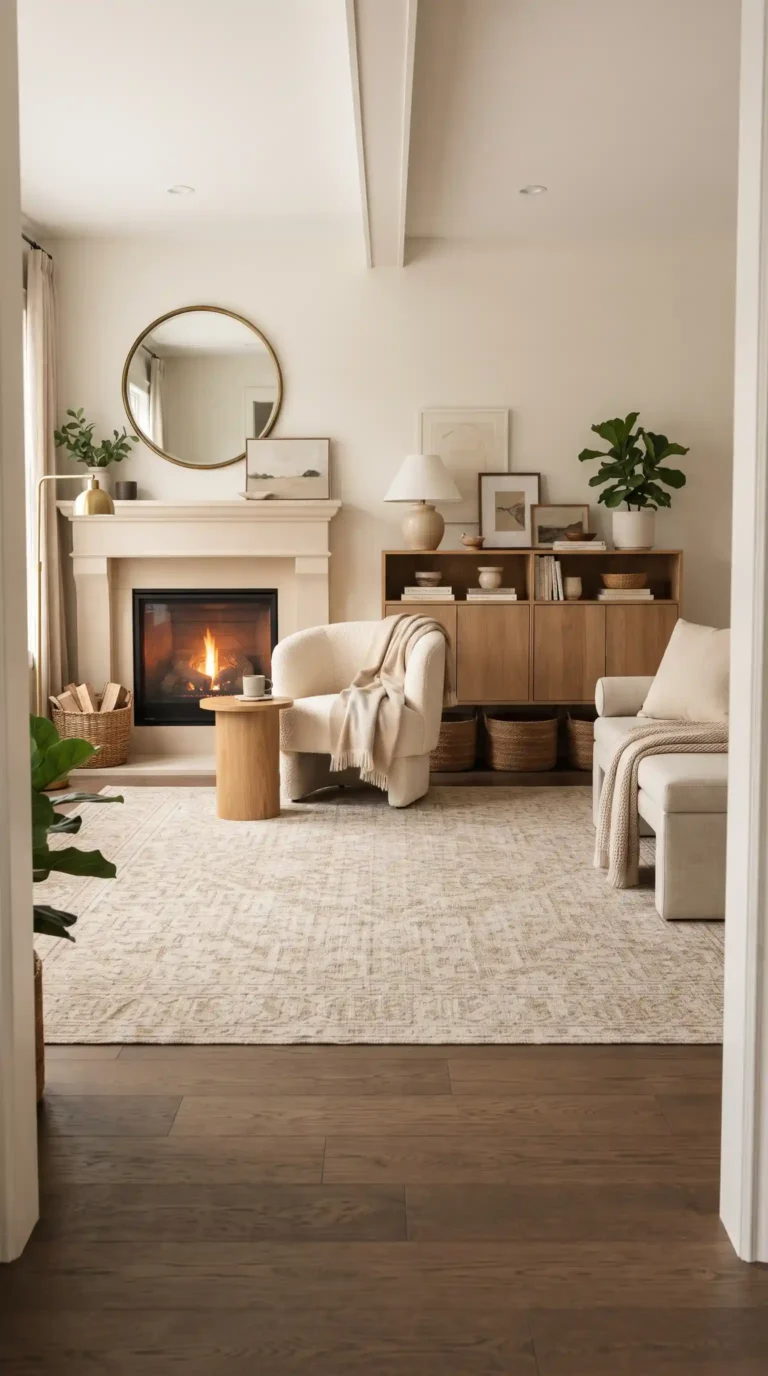
Use Mirrors to Reflect Light
A mirror can help a small living room feel brighter and visually larger. Place it across from a window or another light source when possible.
Choose a size and frame that complement the sectional and other room details.
5. Add Storage and Style Around the Sectional
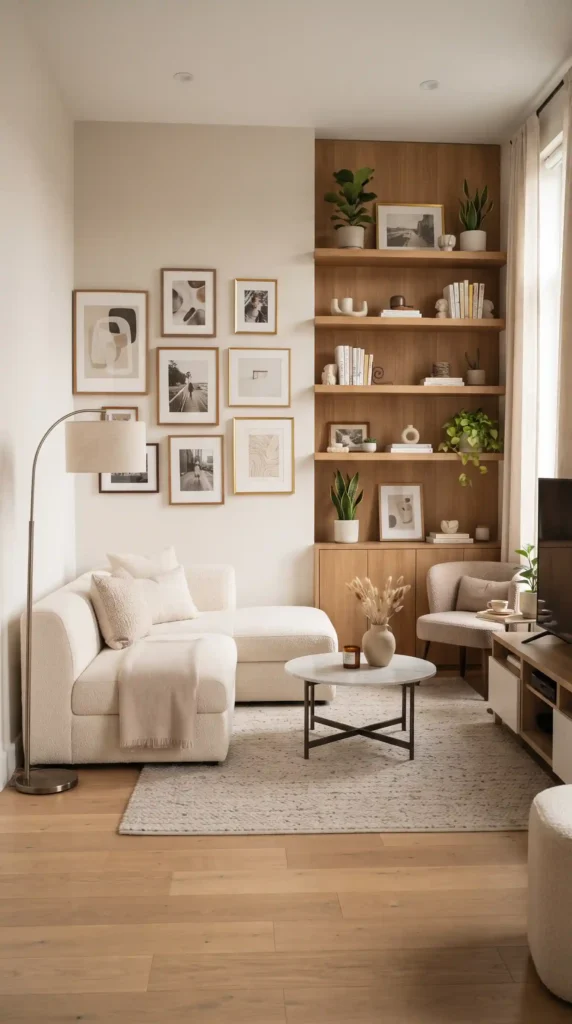
Use Vertical Wall Storage
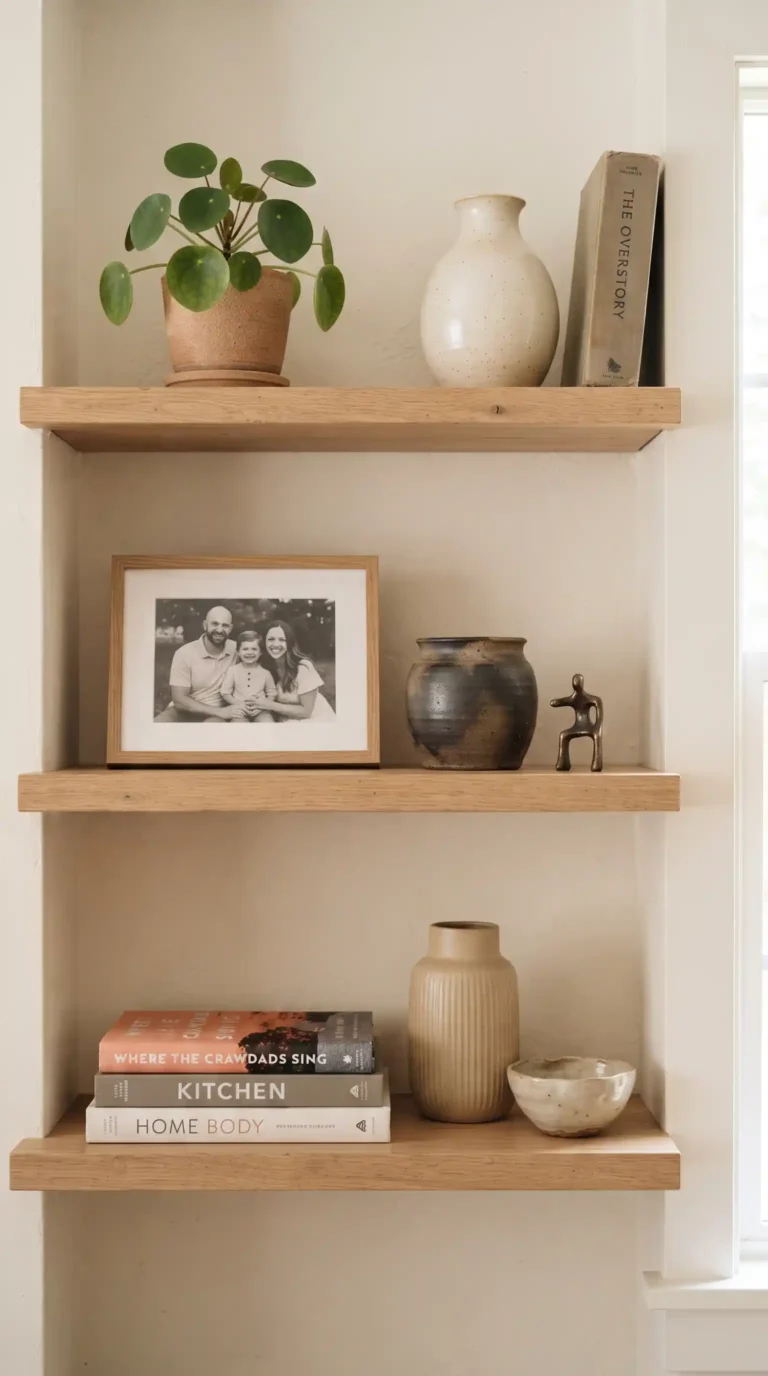
When floor space is limited, use the walls for storage and display. Floating shelves, tall bookcases, or wall-mounted cabinets can provide useful space without taking up a large floor area.
Keep shelves organized with a mix of books, artwork, plants, and a few decorative objects.
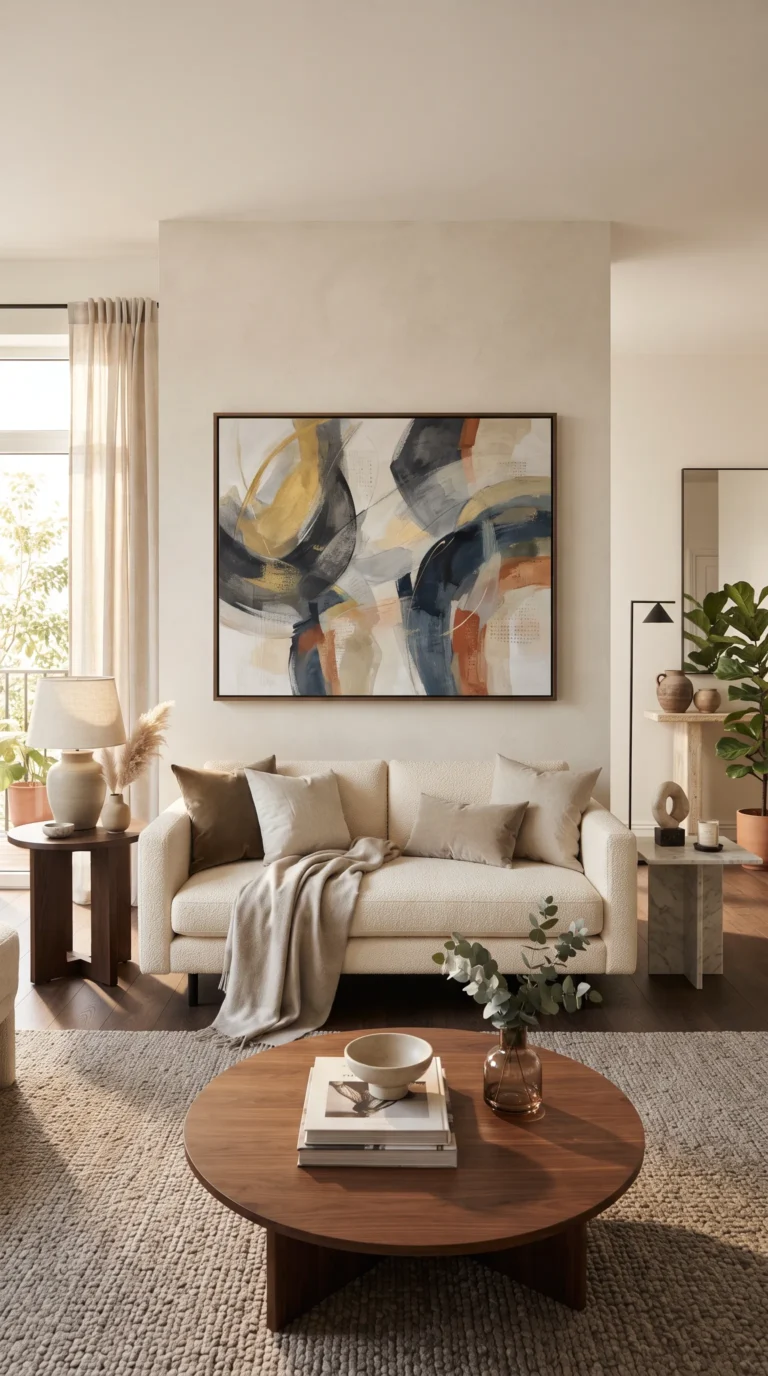
Create a Sectional Gallery Wall
The wall behind the sectional can become an attractive focal point. Create a gallery wall with framed artwork, family photos, botanical prints, or simple abstract pieces.
Keep the frames and colors coordinated so the display does not make the small room feel visually busy.
Add Slim Lighting
Floor and table lamps can provide useful lighting, but choose slim designs in a small room. A narrow floor lamp can fit beside the sectional without taking up much space.
Wall sconces or pendant lighting can be even more useful when you want to keep the floor clear.
Use the Sectional Corner as a Cozy Reading Spot
The corner of a sectional can become a comfortable reading area. Add a small side table, a focused lamp, and a soft throw to create a simple personal space.
Because the seating is already part of the sectional, you do not need another large chair.
6. Finish Your Small Sectional Living Room With Smart Details
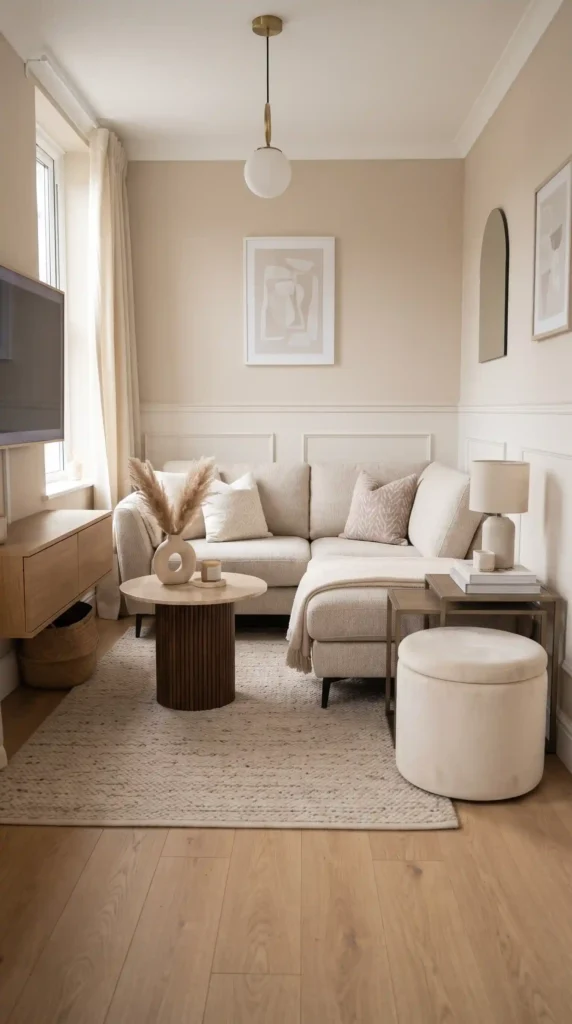
Keep the Walkways Clear
A small living room needs clear paths between the door, seating, and other areas. Avoid placing tables, baskets, or decorative objects where people need to walk.
Good circulation can make a compact room feel much more comfortable.
Choose Furniture That Serves More Than One Purpose
Prioritize pieces that perform multiple functions. A storage ottoman, nesting tables, a console with drawers, or a coffee table with storage can reduce the number of items needed in the room.
This approach helps you make better use of limited space.
Keep the Sectional as the Main Focal Point
Let the sectional remain the largest visual element in the room. Use simple artwork, balanced lighting, and a few accessories to support it instead of competing with it.
A clear focal point can make the room feel organized and intentional.
FAQs
Is a sectional a good idea for a small living room?
Yes, a properly sized sectional can provide plenty of seating while using one defined area of the room. The key is choosing the right dimensions and leaving enough space for comfortable movement.
How do I arrange a sectional in a small living room?
Place the sectional against a wall or in a corner when possible. Keep walkways clear and arrange the coffee table, TV, and other furniture around the main seating area.
What type of sectional is best for a small living room?
Compact, low-profile sectionals with slim arms can work well. Corner or apartment-size sectionals can provide comfortable seating without taking up as much space as larger designs.
What coffee table works best with a sectional in a small room?
A small round, oval, or compact rectangular coffee table can work well. Choose one that provides useful surface space while leaving enough room to walk around it.
How can I make a small living room with a sectional look bigger?
Use light colors, a cohesive area rug, mirrors, slim furniture, and good lighting. Keeping clutter off the floor and using vertical storage can also make the room feel more open.
Final Thoughts
The best sectional living room ideas focus on smart layout and furniture choices rather than trying to fit too many pieces into a small space. A compact sectional, practical coffee table, flexible storage, vertical shelving, and carefully placed lighting can help every part of the room work harder.
Start by measuring your room and identifying the main walking paths. Then choose furniture that fits those measurements and supports how you actually use the space. With a thoughtful layout and a few space-saving details, a small living room with a sectional can feel comfortable, functional, and beautifully organized.